Paint peeling off wall
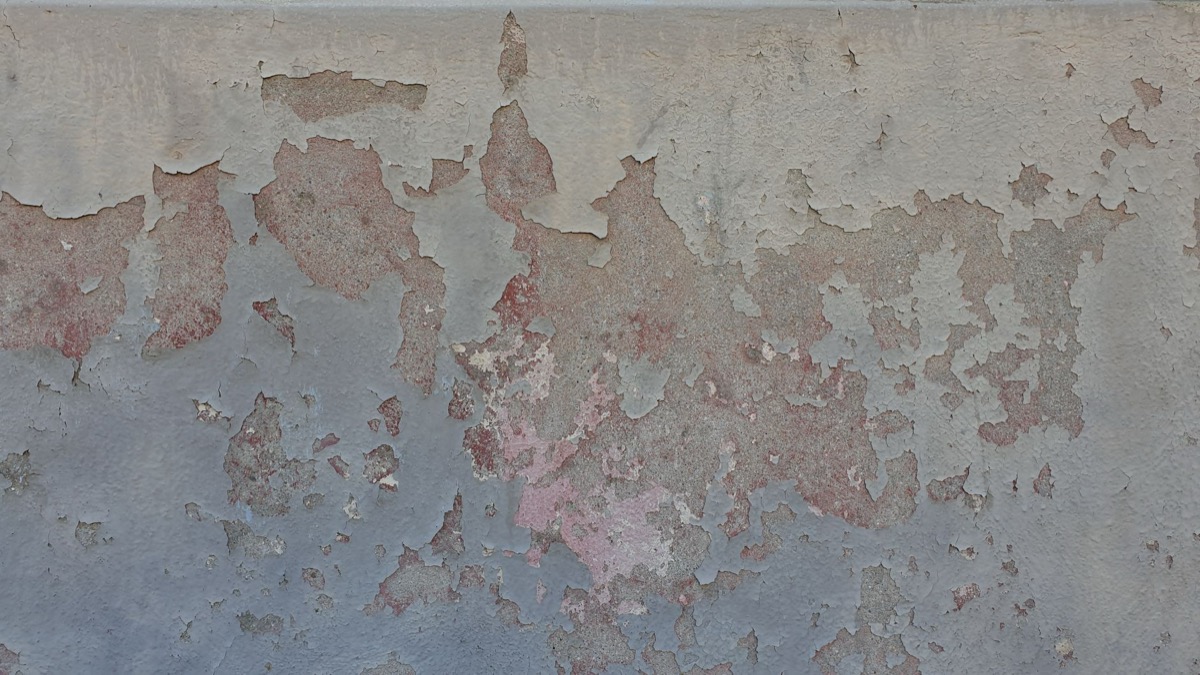
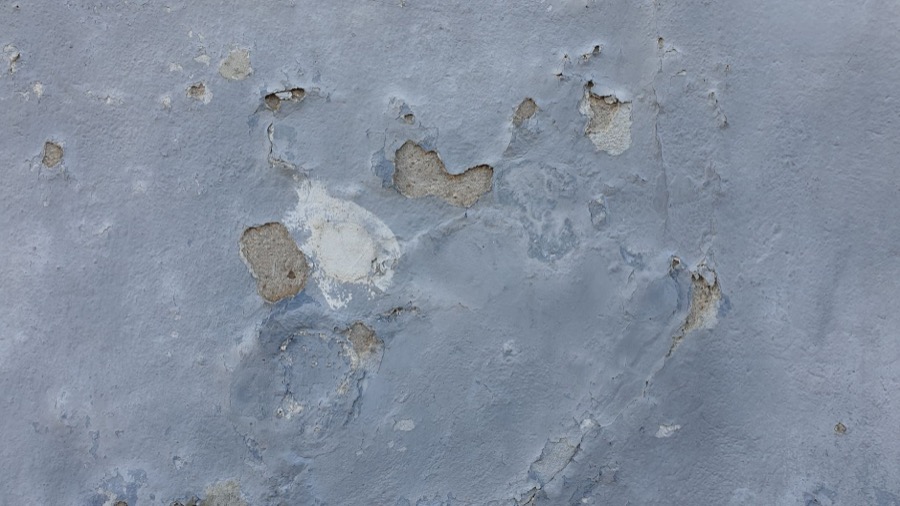
Understanding Paint Bubbling and Blistering
Paint bubbling, also known as paint blistering, occurs when paint lifts from the surface, creating bubbles in the finish. These terms are interchangeable and describe a condition that can necessitate redoing a project.
Understanding the various reasons why paint bubbles form can help improve the final results of painting projects and prevent future imperfections.
Common Causes of Paint Bubbling
Several factors can lead to paint bubbling. Common culprits include surface contamination, inadequate cleaning, environmental conditions, and the use of incompatible additives.
Painting over surfaces that have oil, wax, grease, or silicone contamination is a primary cause. Improper cleaning of the surface before painting can also contribute to the problem.
Lead-Based Paint Hazards
In homes built before 1978, lead-based paint is a concern. While children can live safely in these homes if the paint is in good condition, deteriorating or peeling paint can become a hazard.
When painted surfaces are not maintained, lead-based paint can chip or crack, producing dust that poses an inhalation or ingestion risk. Renovation, repair, or painting projects in pre-1978 buildings with lead-based paint can create dangerous lead dust.
Key takeaways
- Paint bubbling, or blistering, is caused by paint lifting from the surface and can stem from surface contamination, poor cleaning, or environmental factors.
- In homes built before 1978, deteriorating lead-based paint can chip or peel, creating hazardous dust that poses risks if inhaled or ingested.
Related tools
Estimate materials with our free paint calculator on PaintMath.