Paint on walls peeling off
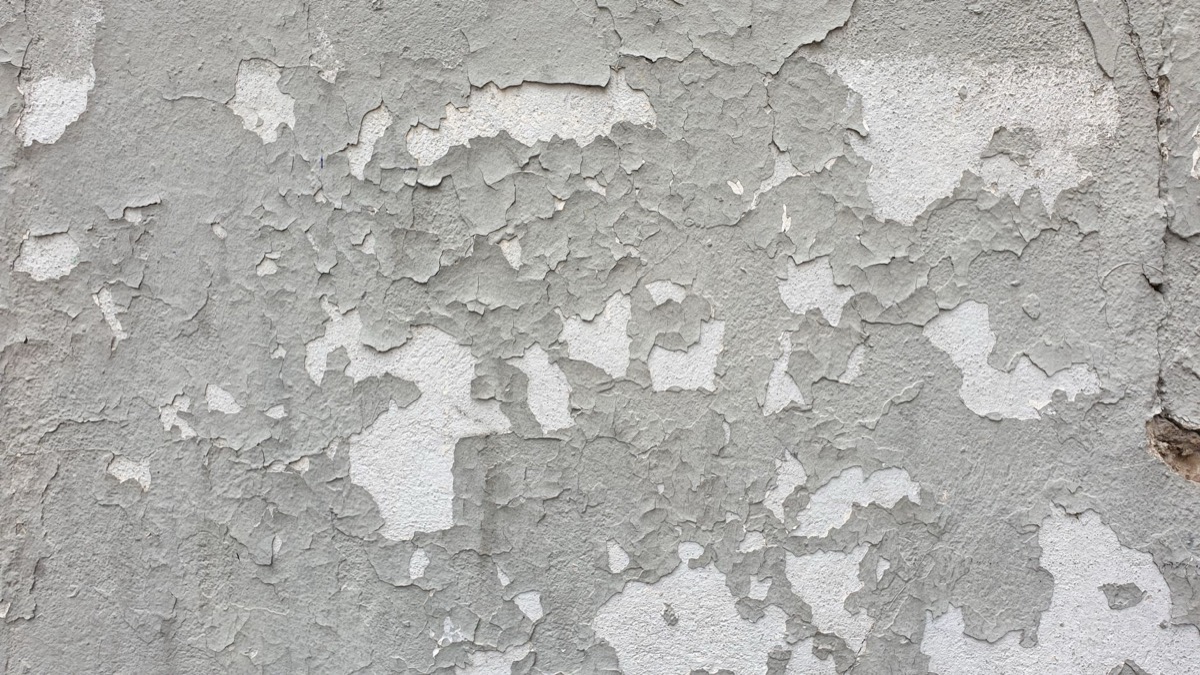
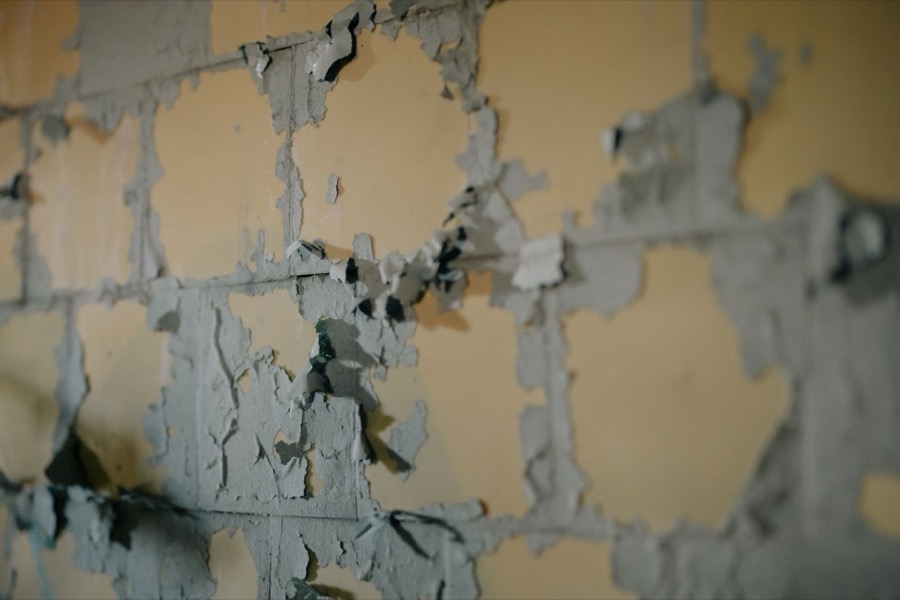
How to Remove Peeling Paint | This Old House via This Old House
Understanding Paint Bubbling and Peeling
Paint bubbling, also referred to as paint blistering, occurs when paint lifts from the surface and forms bubbles. These imperfections can detract from the appearance of a painted surface. The terms paint bubbling and blistering are often used interchangeably.
Several factors can lead to paint bubbling. Common causes include surface contamination, inadequate cleaning, environmental conditions, and incompatible additives. Painting over surfaces with oil, wax, grease, or silicone can also be a contributing factor.
The Risks of Lead-Based Paint
In 1978, the federal government banned the sale of lead-based paint for residential use. However, many homes built before this year still contain lead-based paint. When these painted surfaces deteriorate, peel, chip, or crack, they can pose a hazard.
Deteriorated lead-based paint can create dust and chips that become a risk if inhaled or ingested, particularly concerning for children. Renovation, repair, or painting projects in pre-1978 buildings with lead-based paint can generate dangerous lead dust.
Addressing Peeling Paint
Paint bubbling or blistering indicates that the paint is lifting from the underlying surface. Understanding the reasons behind this can help improve future painting projects. For larger projects, calculate the amount of paint needed using a paint calculator to ensure you have adequate supplies.
Key takeaways
- Paint peeling, or blistering, can be caused by surface contamination, improper cleaning, environmental factors, and incompatible additives.
- Homes built before 1978 may contain lead-based paint, which can become a hazard if it deteriorates and peels.
- Identifying the cause of peeling paint is key to preventing future issues.
Related tools
Estimate materials with our paint calculator on PaintMath.