Paint on walls bubbling
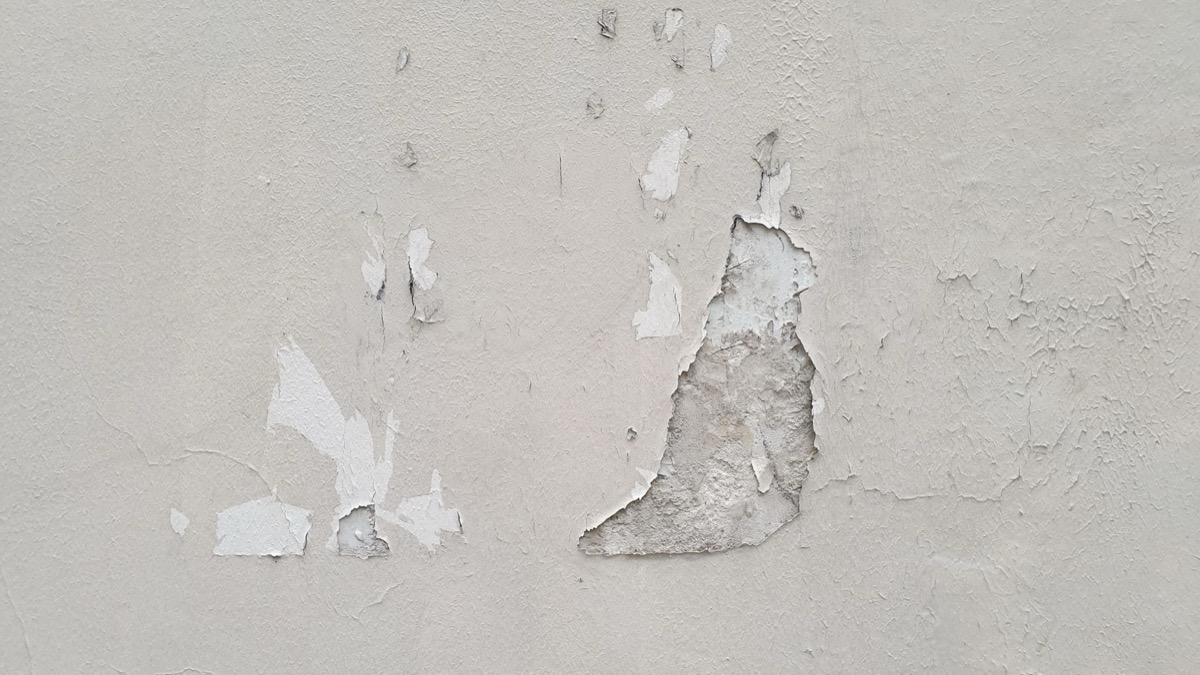
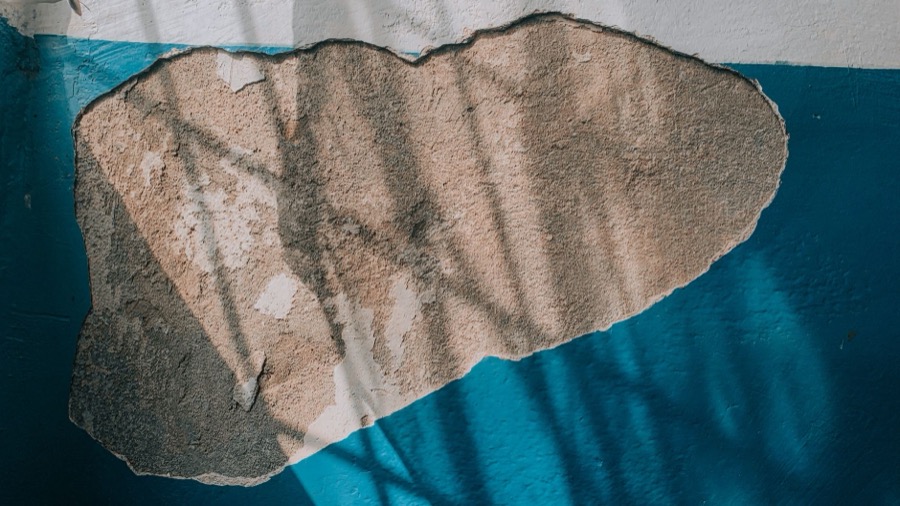
What Is Paint Bubbling on Walls?
Paint bubbling, also called paint blistering, occurs when the paint starts lifting from the surface, forming large bubbles in the finish.
The two terms — paint bubbling and paint blistering — describe the same problem and can be used interchangeably.
What Causes Paint to Bubble?
The most common culprits behind paint bubbling are surface contamination, improper cleaning, environmental factors, and incompatible additives.
Painting over surfaces contaminated with oil, wax, grease, or silicone is a leading cause of surface contamination that leads to bubbling.
Lead Paint Safety When Repairing Bubbling Paint
Approximately three-quarters of homes in the United States built before 1978 still contain some lead-based paint, and any renovation, repair, or painting project in such a home can easily create dangerous lead dust.
When painted surfaces are not maintained, paint can deteriorate, peel, chip, or crack and become a hazard — making it especially important to handle bubbling paint in older homes with care.
Planning Your Repair and Repainting
Knowing the causes of paint bubbling can help you avoid the problem on future projects by properly cleaning and preparing surfaces before applying any paint.
Before you repaint a repaired wall, use a paint calculator at / to estimate how much paint you will need — so you avoid waste or running short mid-project.
Key takeaways
- Paint bubbling and paint blistering are the same condition — both describe paint lifting from the surface to form visible bubbles.
- Surface contamination from oil, wax, grease, or silicone is one of the most common causes of paint bubbling.
- Repairing bubbling paint in homes built before 1978 requires extra caution due to the potential presence of lead-based paint.
- Proper surface cleaning and preparation before painting is the most effective way to prevent future bubbling.
Related tools
Estimate materials with our paint calculator on PaintMath.