Paint on wall bubbling
What Is Paint Bubbling on Walls?
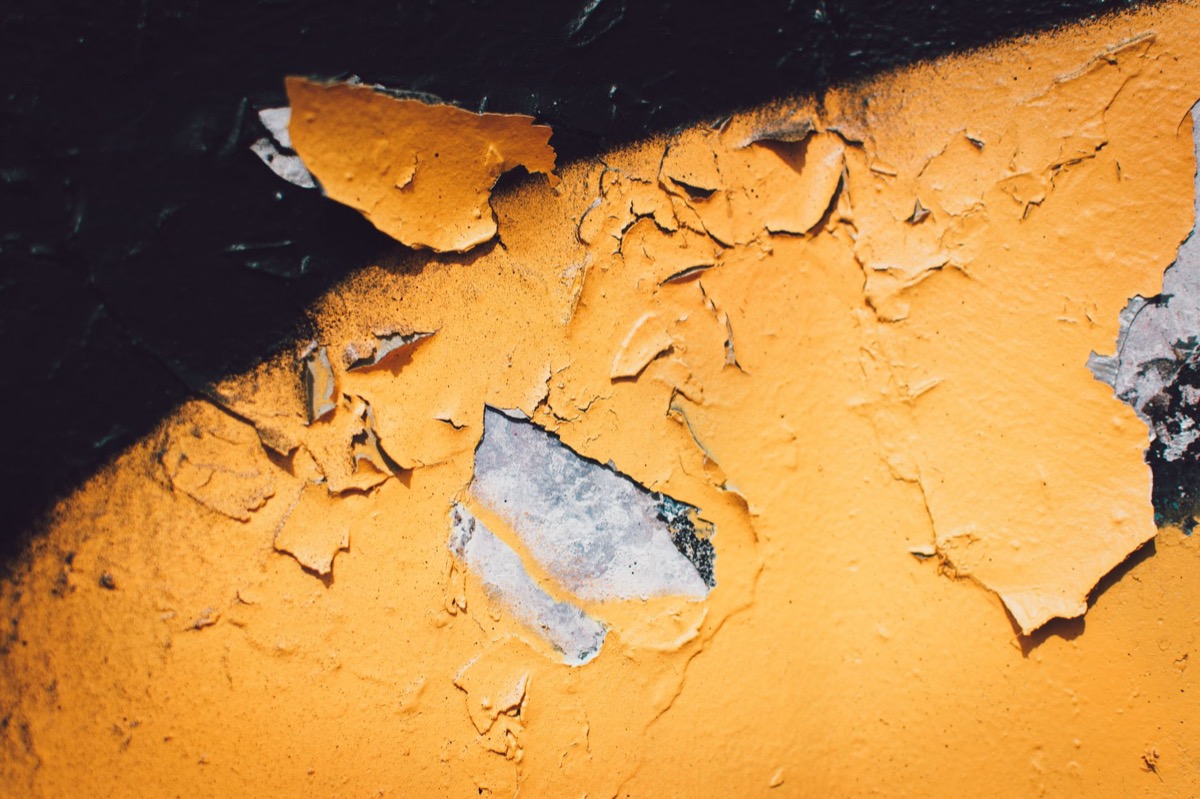
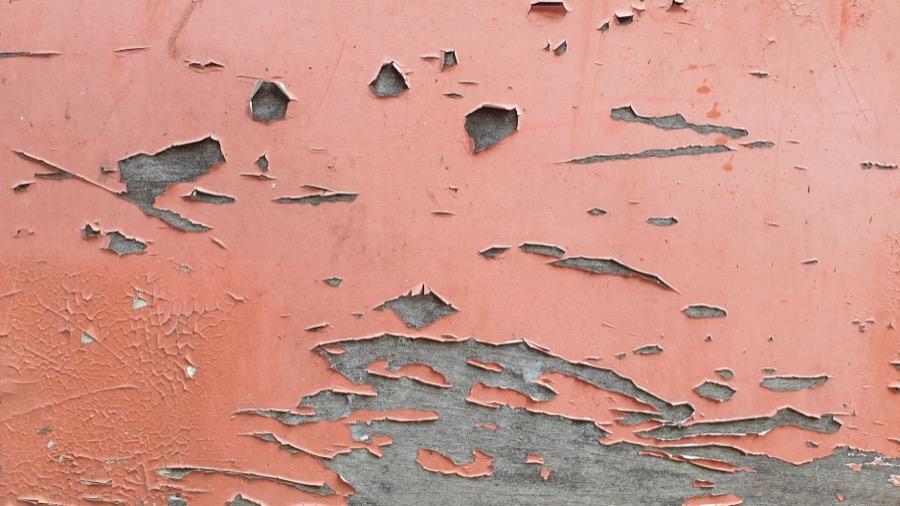
Paint bubbling, also called paint blistering, occurs when the paint starts lifting from the surface, forming large bubbles in the finish.
Paint bubbling and blistering are the same thing, so the terms can be used interchangeably — regardless of which term you use, the underlying causes and fixes are identical.
Common Causes of Paint Bubbling
The most common culprits behind paint bubbling are surface contamination, improper cleaning, environmental factors, and incompatible additives.
Painting over surfaces contaminated with oil, wax, grease, or silicone is a leading cause of surface contamination that leads to bubbling — and using the wrong thinner or cleaner before painting can also set the stage for blistering.
How to Fix Paint Bubbling
Understanding the root cause of the bubbling is essential before attempting a repair, since applying new paint over an unresolved problem will likely result in the same blistering reappearing.
Before repainting, make sure the surface is properly cleaned, free of contamination, and that environmental conditions such as heat and humidity are appropriate. Using a paint calculator at / can help you plan the right amount of paint for a smooth, even recoat once the surface is properly prepared.
Special Considerations for Older Homes
In homes built before 1978, bubbling or deteriorating paint may signal the presence of lead-based paint, which was banned from residential use by the federal government that year.
When painted surfaces are not maintained and paint deteriorates, peels, chips, or cracks, it can become a hazard — and any renovation, repair, or painting project in a pre-1978 home that has lead-based paint can easily create dangerous lead dust.
Key takeaways
- Paint bubbling and blistering are the same condition, caused by the paint lifting away from the surface due to contamination, moisture, heat, or incompatible materials.
- In pre-1978 homes, deteriorating or bubbling paint may contain lead, and repairs must be handled with appropriate precautions to avoid creating hazardous lead dust.
Related tools
Estimate materials with our paint calculator on PaintMath.