Paint bubbling on wall
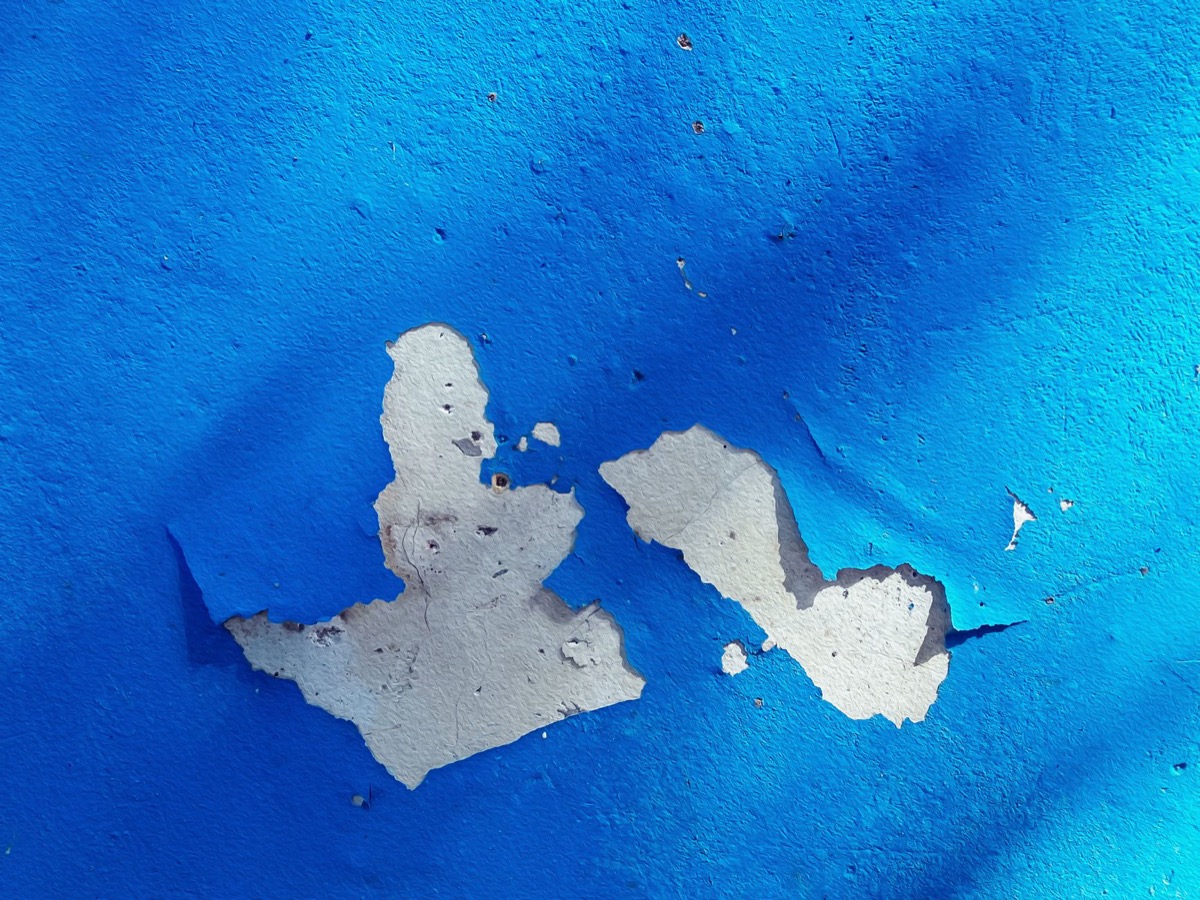
What Is Paint Bubbling?
Paint bubbling, also called paint blistering, occurs when paint starts lifting from the surface and forms large bubbles in the finish. The two terms — bubbling and blistering — describe the same problem and can be used interchangeably.
These imperfections can ruin an otherwise flawless paint job, but understanding the underlying causes is the first step toward preventing them on future projects.
Common Causes of Paint Bubbling on Walls
Paint bubbling can occur for several reasons, but the most common culprits are surface contamination, improper cleaning, environmental factors, and incompatible additives. For example, painting over surfaces contaminated with oil, wax, grease, or silicone is a leading cause of blistering.
Using the wrong cleaner or thinner before painting can also leave residues that prevent proper adhesion, leading to bubbles forming beneath the paint film as it dries.
A Special Note on Older Homes
If your home was built before 1978, bubbling or peeling paint may involve lead-based paint. The federal government banned the sale of lead-based paint for use in homes, childcare facilities, and preschools in 1978, and approximately three-quarters of homes built before that year still contain some lead-based paint.
Any renovation, repair, or painting project in a pre-1978 home that has lead-based paint can create dangerous lead dust. Surfaces should be kept in good condition to prevent paint from deteriorating, peeling, chipping, or cracking, which can become a hazard when inhaled or ingested.
How to Fix and Prevent Paint Bubbling
Fixing paint bubbling generally means removing the affected paint, properly preparing the surface, and repainting. Thorough surface cleaning to remove oil, grease, and other contaminants is essential before applying a new coat. You can use PaintMath's free paint calculator at / to estimate exactly how much paint you'll need for your repair or repaint project.
Prevention comes down to proper preparation: clean surfaces thoroughly, allow adequate drying time between coats, and make sure any additives or primers are compatible with your chosen paint. Controlling environmental factors like high humidity and direct heat during application also helps reduce the risk of bubbles forming.
Key takeaways
- Paint bubbling and paint blistering are the same issue — paint lifting from the surface to form bubbles — most often caused by surface contamination, improper cleaning, or environmental factors.
- In homes built before 1978, peeling or bubbling paint may contain lead, and repairs should be handled carefully to avoid creating hazardous lead dust.
Related tools
Estimate materials with our free paint calculator on PaintMath.