How to repair peeling paint on a car
Understanding Peeling Car Paint
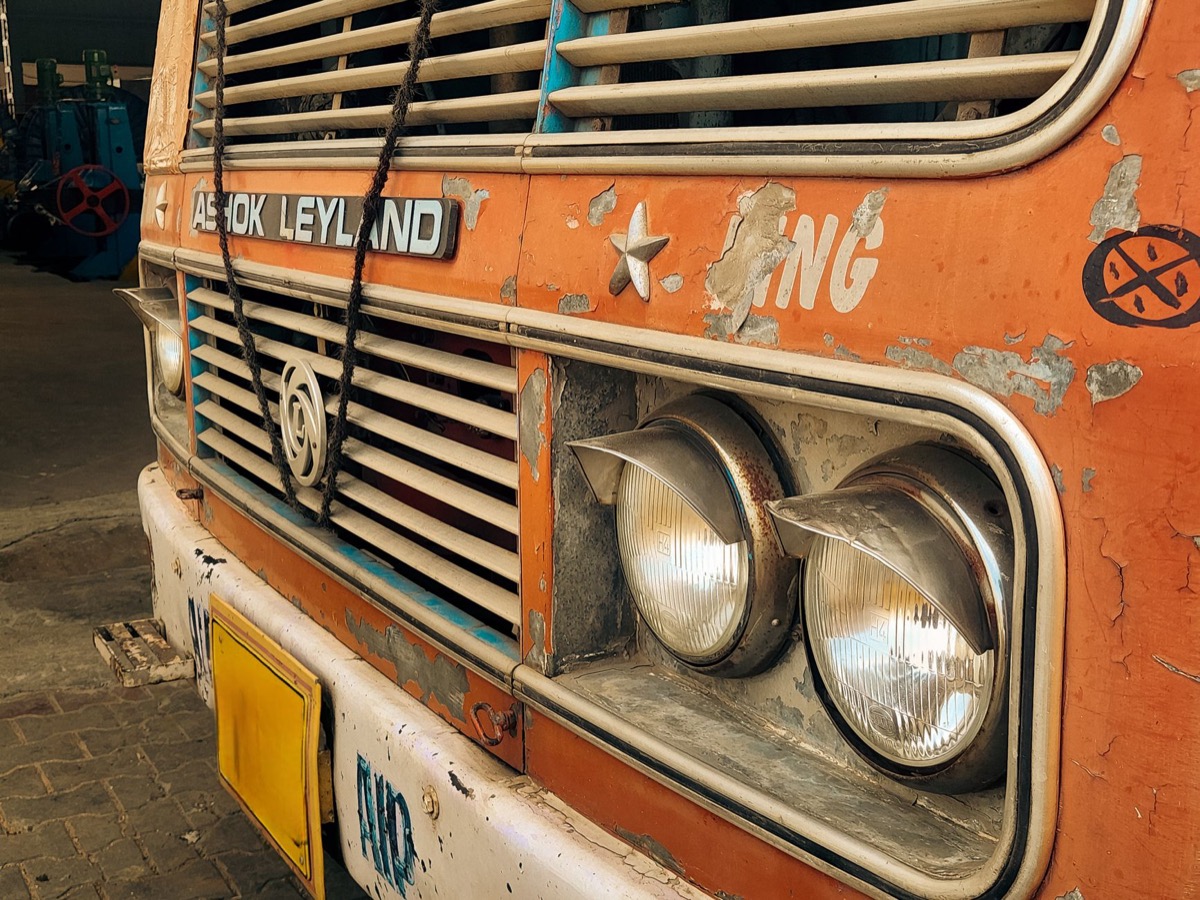
Peeling paint on a car, often referred to as paint blistering or bubbling, occurs when the paint begins to lift away from the underlying surface. This can significantly detract from your vehicle's appearance and, if left unaddressed, can lead to further damage. While it can be frustrating to discover these imperfections, understanding the common causes is the first step toward an effective repair.
The primary reasons for paint bubbling include surface contamination, inadequate cleaning before painting, environmental factors, and the use of incompatible additives in the paint itself. Painting over surfaces that have oil, wax, grease, or silicone residue is a common culprit. Similarly, improper cleaning techniques can leave behind contaminants that prevent the new paint from adhering properly.
Causes of Paint Bubbling
Several factors can contribute to paint bubbling on your car. Surface contamination is a major issue; if the car's surface isn't thoroughly cleaned of oils, waxes, or grease before painting, the new paint layers may not bond correctly, leading to lifting and bubbling.
Improper cleaning methods can also be a problem. Using the wrong type of thinner or not allowing the surface to dry completely after cleaning can trap moisture or solvents, which can later cause the paint to blister. Environmental conditions during painting, such as high humidity or extreme temperatures, can also affect paint adhesion. Additionally, using incompatible paint additives or mixing different paint types without proper knowledge can create chemical reactions that result in bubbling.
Addressing Peeling Paint
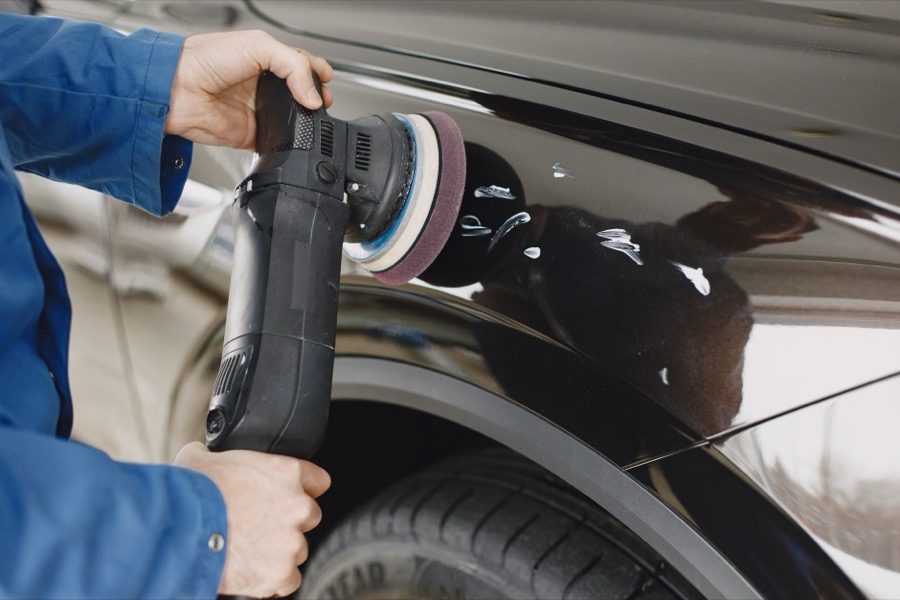
Repairing peeling paint on a car involves a multi-step process to ensure a lasting fix. First, you'll need to carefully remove all the loose and peeling paint. This can be done using a scraper or sandpaper, ensuring you feather the edges of the remaining paint to create a smooth transition.
Once the affected area is clean and smooth, it's crucial to properly prepare the surface for new paint. This typically involves cleaning the area thoroughly to remove any dust or contaminants, followed by applying a primer. The primer helps to seal the surface and provide a good base for the new paint layers. After the primer has dried, you can then apply your chosen automotive paint, following the manufacturer's instructions for application and drying times. For larger areas or if you're unsure about the process, consider using a free paint calculator to estimate the amount of paint and supplies you'll need. You can find this helpful tool at /.
Important Considerations for Older Vehicles
For vehicles manufactured before 1978, there's an important consideration regarding lead-based paint. The federal government banned lead-based paint for residential use in 1978, but many older vehicles may still have remnants of it. When dealing with older cars, especially if you are undertaking significant renovation, repair, or painting projects, it's essential to be aware of potential lead hazards.
If your pre-1978 vehicle has deteriorated paint, it could create lead dust when disturbed. The EPA's Renovation, Repair and Painting (RRP) Rule aims to protect against lead exposure during such projects. While this rule primarily applies to buildings, understanding the potential for lead in older materials is a good practice. If you suspect lead-based paint, it's advisable to take extra precautions or consult with professionals experienced in handling lead-safe practices.
Key takeaways
- Peeling car paint, also known as blistering or bubbling, is caused by poor adhesion due to surface contamination, improper cleaning, or environmental factors.
- Thoroughly remove loose paint, prepare the surface with primer, and apply new paint layers carefully to repair peeling areas.
- For vehicles manufactured before 1978, be aware of the potential for lead-based paint and take appropriate safety measures.
Related tools
Estimate materials with our free paint calculator on PaintMath.