How to repair peeling car paint
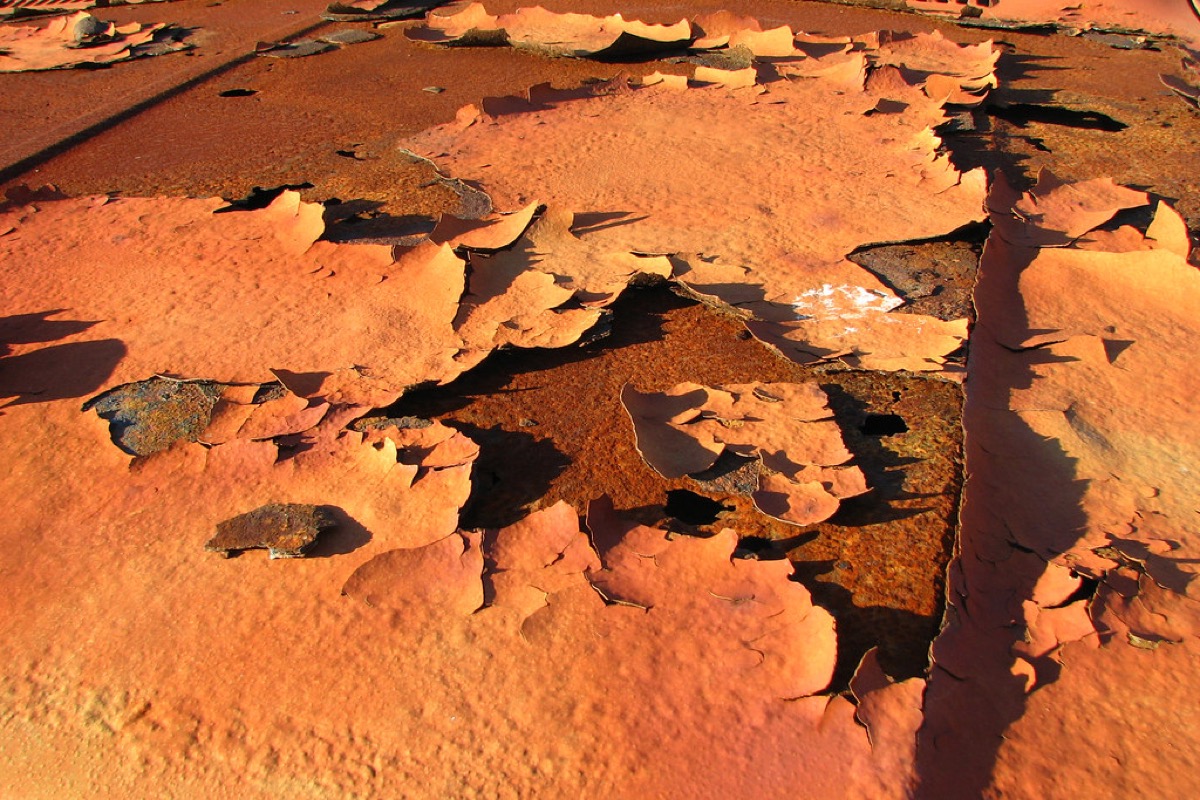
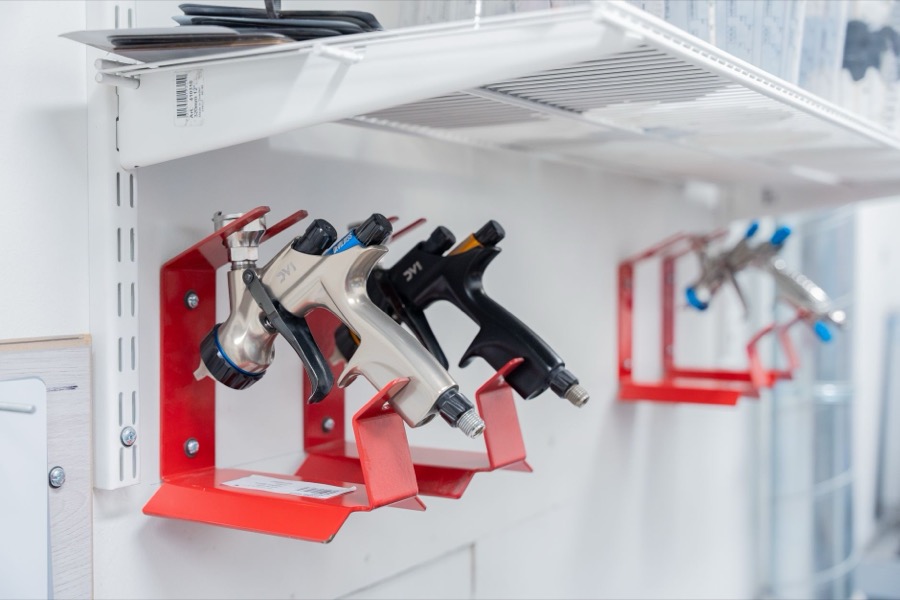
Understanding Peeling Car Paint
Peeling car paint, often referred to as paint blistering or bubbling, occurs when the paint begins to lift away from the surface of your vehicle, forming unsightly bubbles. This issue can detract from your car's appearance and, if left unaddressed, can lead to further damage.
Several factors can contribute to paint bubbling. Common culprits include surface contamination, such as oil, wax, grease, or silicone, on the car's surface before painting. Improper cleaning techniques and environmental factors can also play a role. Additionally, using incompatible additives in the paint itself can lead to adhesion problems.
Causes of Paint Bubbling
The primary reasons for paint bubbling on a car are often related to the preparation and application process. Painting over a surface that hasn't been thoroughly cleaned and degreased is a major cause. Any residue left behind can prevent the new paint from adhering properly.
Environmental conditions during painting, such as high humidity or extreme temperatures, can also affect how the paint cures and adheres. Furthermore, if the paint layers are not compatible with each other (e.g., applying a solvent-based paint over a water-based primer without proper adhesion), blistering can occur.
Repairing Peeling Car Paint
Repairing peeling car paint involves several steps to ensure a lasting fix. First, you'll need to carefully remove all the loose and bubbling paint. This can be done using a scraper or sandpaper. Once the affected area is clean and smooth, you'll need to address the underlying cause if it's related to surface contamination.
After removing the compromised paint, the area should be thoroughly cleaned and prepped for new paint. This may involve sanding, priming, and then applying multiple thin coats of automotive paint. For projects involving older vehicles, especially those manufactured before 1978, it's crucial to be aware of potential lead-based paint hazards. The EPA's Renovation, Repair and Painting (RRP) Rule provides guidelines for safely handling such materials. For estimating the amount of paint and supplies you'll need for your repair, consider using a free paint calculator available at /.
Key takeaways
- Peeling car paint, also known as blistering or bubbling, is caused by poor adhesion due to surface contamination, improper cleaning, or incompatible paint additives.
- Thorough cleaning and preparation of the surface are crucial steps in preventing and repairing peeling paint.
- Be aware of potential lead-based paint hazards when working on vehicles manufactured before 1978 and follow EPA guidelines.
- Utilize resources like a free paint calculator at / to accurately estimate material needs for your repair project.
Related tools
Estimate materials with our free paint calculator on PaintMath.