How to repair peeling auto paint
Understanding Peeling Auto Paint
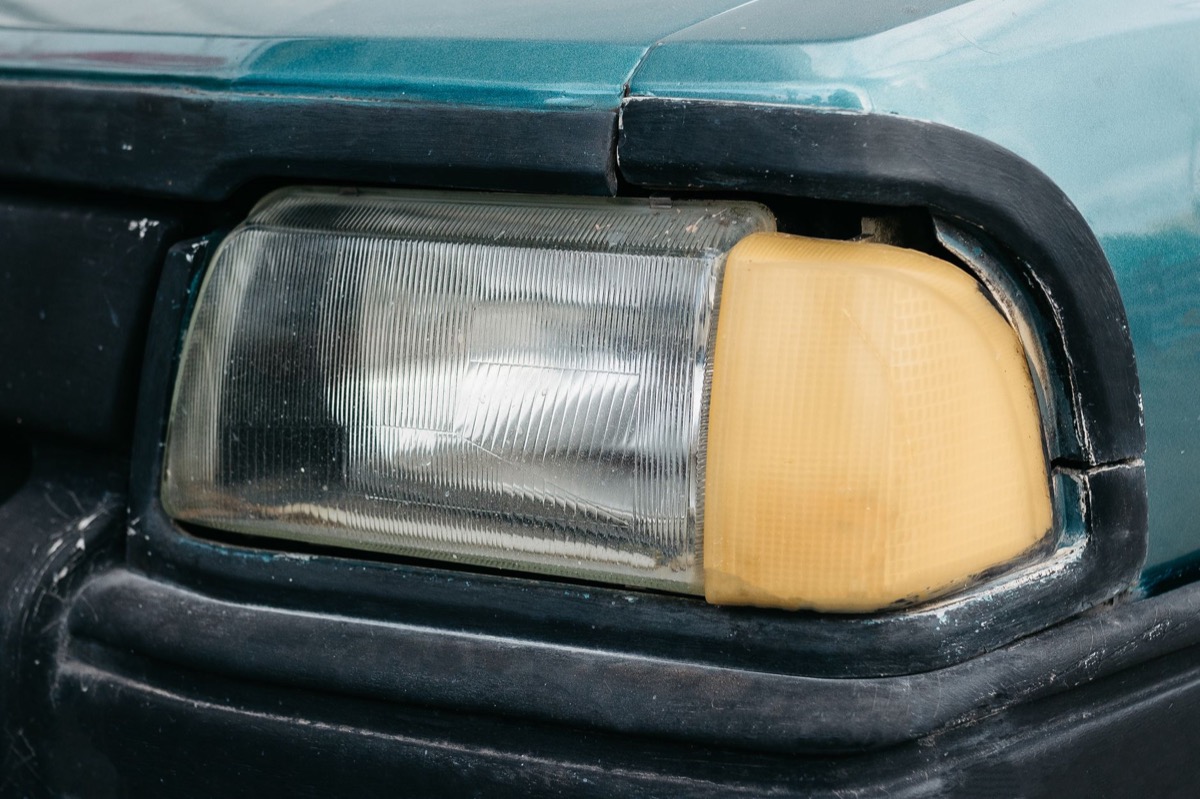
Peeling auto paint, also known as paint blistering or bubbling, occurs when the paint begins to lift from the surface, creating noticeable imperfections. This can detract from your vehicle's appearance and, if left unaddressed, can lead to further damage.
Several factors can contribute to paint bubbling. Common culprits include surface contamination from oil, wax, grease, or silicone, improper cleaning techniques before painting, environmental conditions, and the use of incompatible additives in the paint itself.
Causes of Paint Blistering
Surface contamination is a primary reason for paint to lift. If a surface isn't thoroughly cleaned and free of contaminants like oil, wax, or grease, the new paint may not adhere properly. Similarly, inadequate cleaning before applying paint can trap dirt and debris, leading to adhesion issues.
Environmental factors can also play a role. Extreme temperatures or humidity during the painting process can affect how the paint cures and adheres. Furthermore, using paint additives that are not compatible with the base paint can compromise the integrity of the finish, leading to bubbling.
Addressing Peeling Paint and Avoiding Future Issues
When you notice peeling paint, the first step is to identify the cause. Once the underlying issue is addressed, you'll need to carefully remove the loose paint. This typically involves scraping or sanding the affected area until you reach a stable surface. Proper preparation is key to a successful repair.
For any painting project, especially on older vehicles, it's crucial to ensure the surface is meticulously clean and free from any contaminants. Understanding the causes of paint bubbling can help you prevent it on future projects. If you're planning a painting job, remember to calculate the amount of paint you'll need accurately. You can do this easily with our free paint calculator available at /.
Important Considerations for Older Paint
In homes built before 1978, paint may contain lead. If your vehicle's paint is from a similar era or has been painted with older materials, it's important to be aware of potential lead content. Deteriorating, peeling, or chipping lead-based paint can create hazards when inhaled or ingested. Any renovation, repair, or painting project on pre-1978 structures that may have lead-based paint can easily generate dangerous lead dust. Always follow safety guidelines when dealing with potentially lead-based paint.
Key takeaways
- Peeling auto paint, also called blistering or bubbling, is caused by poor adhesion due to surface contamination, improper cleaning, environmental factors, or incompatible additives.
- Thoroughly cleaning and preparing the surface is crucial for a lasting paint repair and to prevent future bubbling.
- For older paint jobs, be aware of potential lead-based paint hazards and follow appropriate safety protocols.
- Use PaintMath's free paint calculator at / to accurately estimate the amount of paint needed for your project.
Related tools
Estimate materials with our free paint calculator on PaintMath.