How to fix peeling paint on car
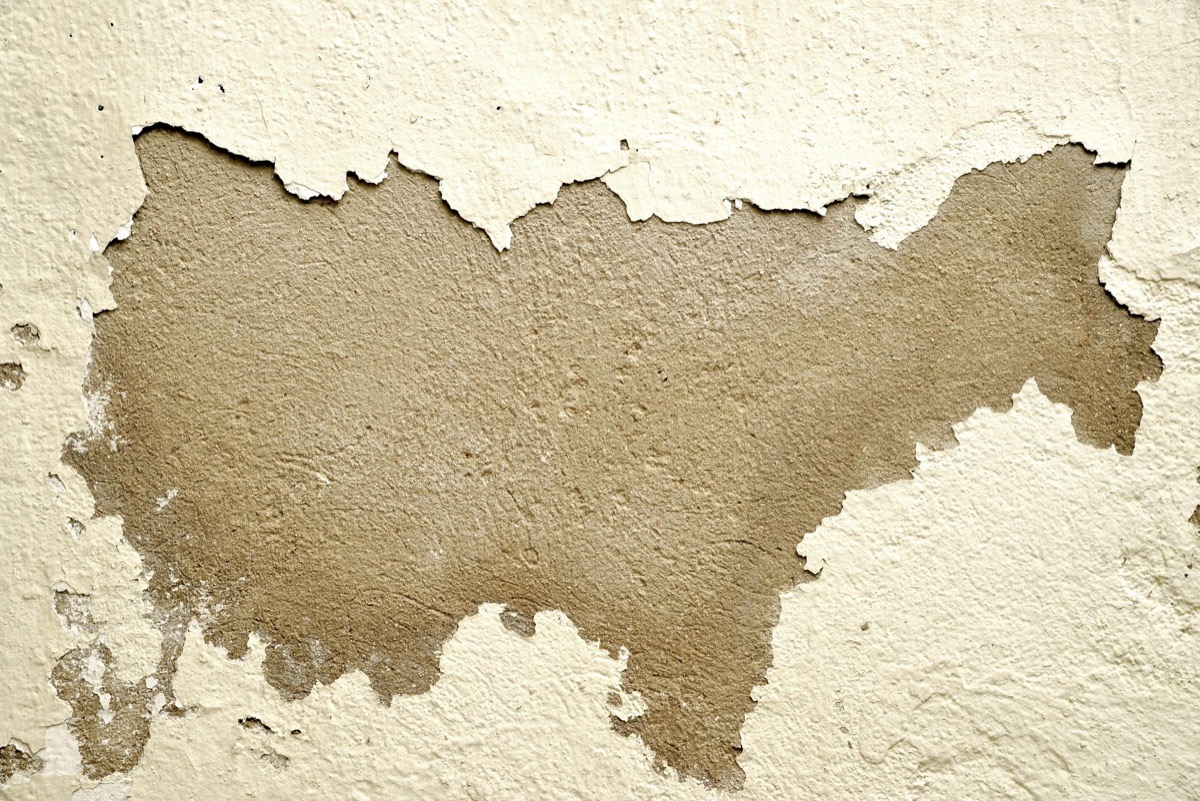
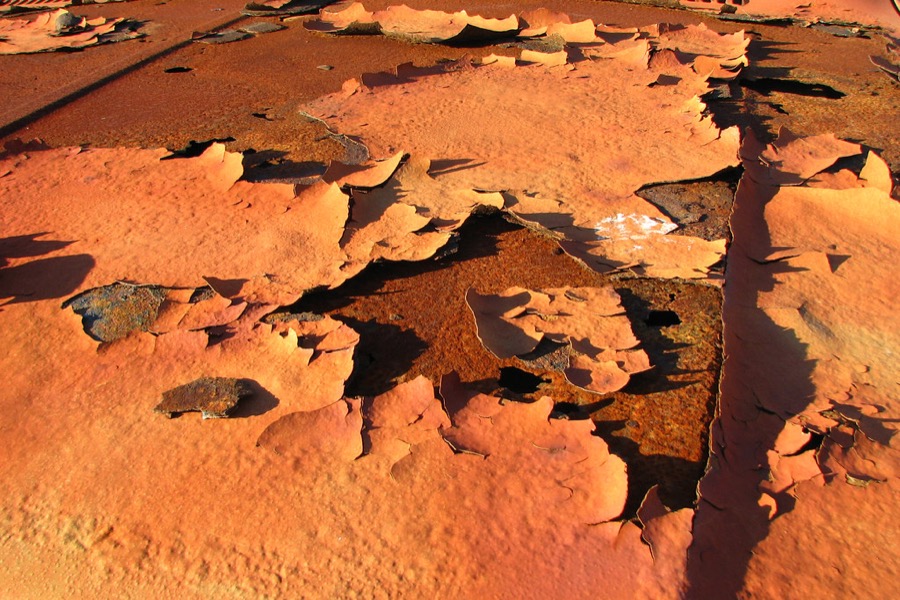
Understanding Paint Bubbling and Blistering
Paint bubbling, also known as paint blistering, occurs when paint lifts from the surface and forms bubbles in the finish. These terms are interchangeable and describe imperfections that can detract from a project's appearance.
Understanding the causes of paint bubbling can help prevent it on future projects and aid in fixing current issues.
Common Causes of Paint Bubbling
Several factors can lead to paint bubbling, with common culprits including surface contamination, inadequate cleaning, environmental conditions, and incompatible additives.
Painting over surfaces that have oil, wax, grease, or silicone contamination is a frequent cause of this issue. Improper cleaning methods can also contribute to paint failure.
Lead-Based Paint and Renovation Regulations
In 1978, the federal government banned the sale of lead-based paint for residential use. However, homes built before 1978 may still contain lead-based paint.
When painted surfaces in pre-1978 buildings are not maintained, deteriorating paint can become a hazard. Renovation, repair, or painting projects in these structures can create dangerous lead dust if not managed properly under the Renovation, Repair and Painting (RRP) Rule.
Key takeaways
- Paint bubbling or blistering happens when paint lifts from the surface, forming bubbles.
- Key causes include surface contamination (oil, grease, wax) and improper cleaning.
- Renovation projects in buildings constructed before 1978 may involve lead-based paint hazards.
Related tools
Estimate materials with our free paint calculator on PaintMath.