How to fix peeling auto paint
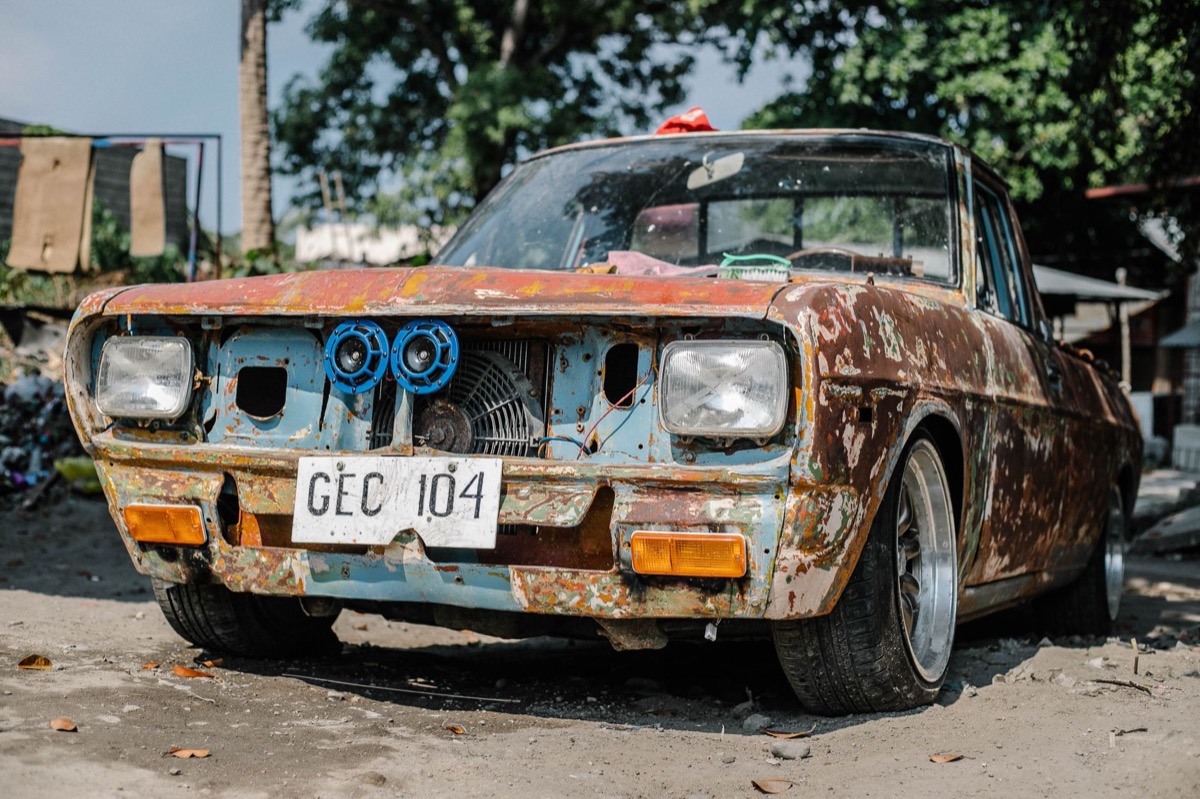
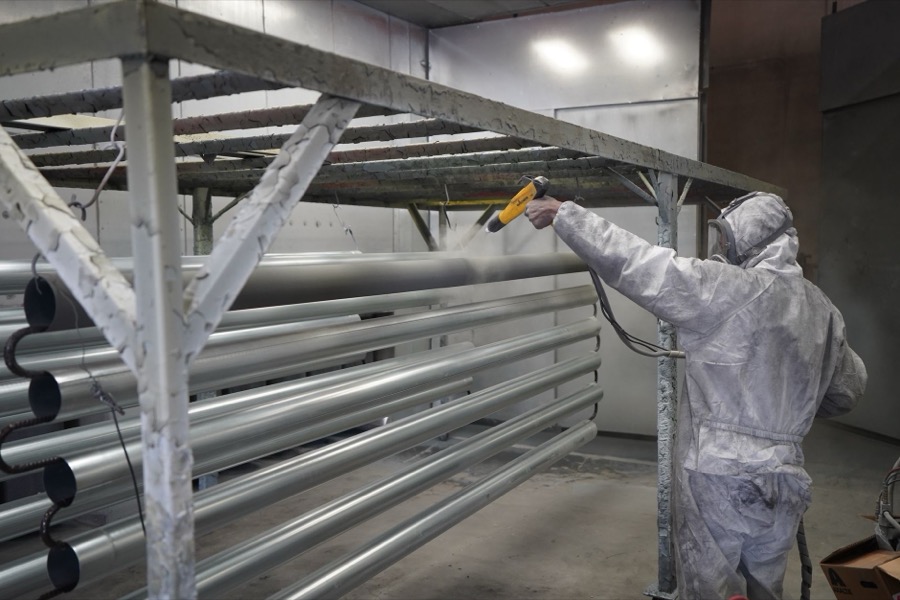
The CHEAPEST Way to Permanently Fix Peeling Paint! via Paint Society
Understanding Paint Bubbling
Paint bubbling, also referred to as paint blistering, happens when the paint begins to lift from the surface, creating noticeable bubbles in the finish.
These imperfections can detract from the appearance of a project, but understanding their causes can help prevent them in the future.
Common Causes of Paint Bubbling
Several factors can lead to paint bubbling. Common causes include surface contamination, inadequate cleaning, environmental conditions, and the use of incompatible additives.
Painting over surfaces tainted with oil, wax, grease, or silicone can also result in bubbling.
Lead-Based Paint and Renovation Risks
In the United States, the sale of lead-based paint for residential use was banned in 1978. Many homes constructed before this year may still contain lead-based paint.
When pre-1978 painted surfaces deteriorate, peel, chip, or crack, they can become a hazard, especially for children. Renovation, repair, or painting projects in older homes with lead-based paint can generate dangerous lead dust.
Key takeaways
- Paint bubbling, or blistering, occurs when paint lifts from a surface, forming bubbles.
- Common causes include surface contamination, improper cleaning, environmental factors, and incompatible additives.
- Renovation or repair work in homes built before 1978 may involve lead-based paint, creating a hazard if not handled properly.
Related tools
Estimate materials with our paint calculator on PaintMath.