How to fix paint peeling on car
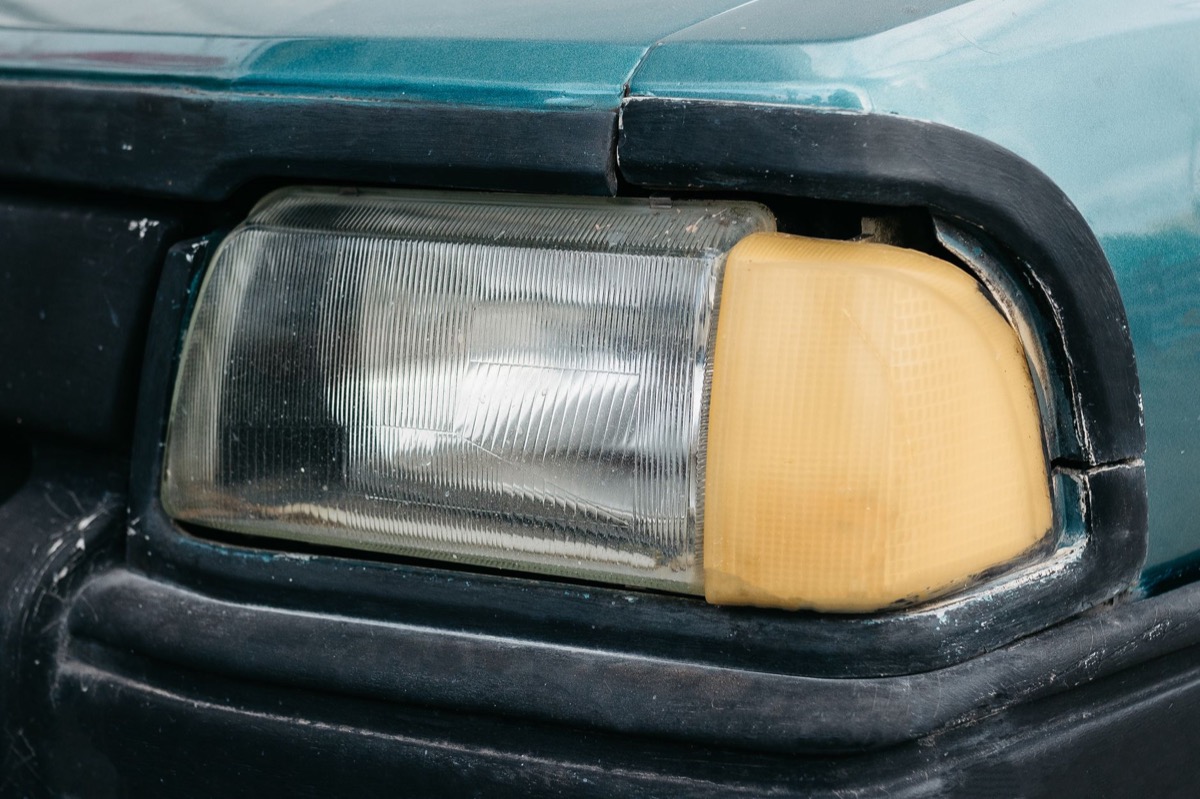
Understanding Paint Peeling (Blistering)
Paint peeling, also known as paint blistering or bubbling, occurs when the paint begins to lift from the surface, forming noticeable bubbles. This can significantly detract from the appearance of your car's finish. While frustrating, understanding the causes can help you prevent it in the future and guide you in fixing existing issues.
Paint bubbling and blistering are essentially the same phenomenon. The key to improving your car's paint job and preventing future problems lies in understanding why this happens.
Common Causes of Paint Peeling on Cars
Several factors can contribute to paint peeling on a vehicle. The most frequent culprits include surface contamination, inadequate cleaning before painting, environmental conditions, and the use of incompatible additives in the paint. Painting over a surface that has oil, wax, grease, or silicone residue is a common cause of contamination.
Improper cleaning is another significant factor. If the surface isn't thoroughly prepared and cleaned, contaminants can prevent the new paint from adhering properly, leading to lifting and peeling.
Addressing Peeling Paint: A Step-by-Step Approach
To fix peeling paint, you'll typically need to remove the loose paint, prepare the underlying surface, and then reapply the paint. This process involves scraping or sanding away all the affected paint until you reach a solid layer. After that, the area needs to be cleaned thoroughly to remove any dust or debris. Once the surface is clean and dry, you can apply a primer followed by the appropriate paint layers.
For a more precise estimate of the materials you'll need for this repair, consider using a free paint calculator. You can find one at / to help you determine the right quantities of primer, paint, and clear coat for your specific project.
Important Considerations for Older Vehicles
If your car was manufactured before 1978, there's a possibility it contains lead-based paint. When paint deteriorates, peels, or chips on these older vehicles, it can create a hazard. The U.S. Environmental Protection Agency (EPA) has regulations, such as the Renovation, Repair and Painting (RRP) Rule, designed to protect against lead exposure during renovation and painting projects. If you suspect lead-based paint, it's crucial to take appropriate safety precautions or consult with professionals who are trained to handle such materials.
Key takeaways
- Paint peeling on cars is often caused by surface contamination, improper cleaning, or environmental factors.
- Repairing peeling paint involves removing the loose material, preparing the surface, and reapplying primer and paint.
- For older vehicles (pre-1978), be aware of the potential presence of lead-based paint and follow safety guidelines.
- Utilize a free paint calculator at / to accurately estimate material needs for your repair project.
Related tools
Estimate materials with our free paint calculator on PaintMath.