How to fix paint peeling on a car
The CHEAPEST Way to Permanently Fix Peeling Paint! via Paint Society
Understanding Paint Peeling
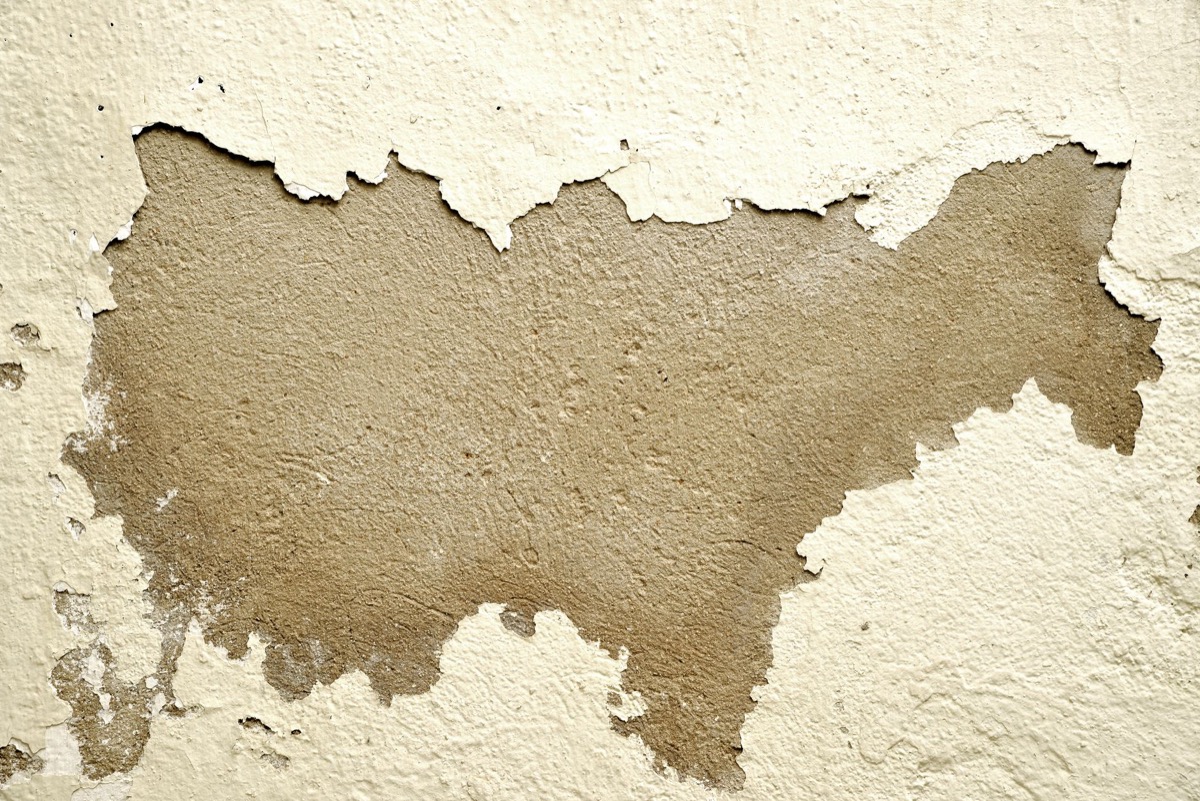
Paint peeling, also referred to as paint blistering or bubbling, occurs when the paint begins to lift from the surface, creating noticeable bubbles or imperfections in the finish.
This issue can detract from an otherwise flawless paint job, but understanding its causes can help in prevention and repair.
Common Causes of Paint Peeling
Several factors can contribute to paint peeling. Common culprits include surface contamination from oils, waxes, or grease, and improper cleaning of the surface before painting.
Environmental factors and the use of incompatible additives in the paint mixture can also lead to the paint lifting from the surface.
Lead Paint Considerations in Older Vehicles
In homes built before 1978, lead-based paint was common. If a vehicle was painted before this time, or underwent repairs using pre-1978 paint, lead-based paint could be a factor.
When deteriorated, old lead-based paint can chip or peel, creating dust that poses a hazard. Renovation, repair, or painting projects on pre-1978 surfaces can generate dangerous lead dust.
Addressing Peeling Paint
Repairing peeling paint typically involves removing the affected areas and preparing the surface for new paint. For larger projects, consider using a paint calculator to estimate material needs.
Preventing future peeling relies on ensuring surfaces are clean, free from contaminants, and that compatible materials are used during the painting process.
Key takeaways
- Paint peeling can be caused by surface contamination, improper cleaning, environmental factors, or incompatible additives.
- If the vehicle is older, consider the potential presence of lead-based paint and follow relevant safety guidelines.
- Proper surface preparation and the use of compatible materials are key to preventing paint peeling.
Related tools
Estimate materials with our paint calculator on PaintMath.