How do you fix peeling paint on a car
Understanding Peeling Paint on Your Car
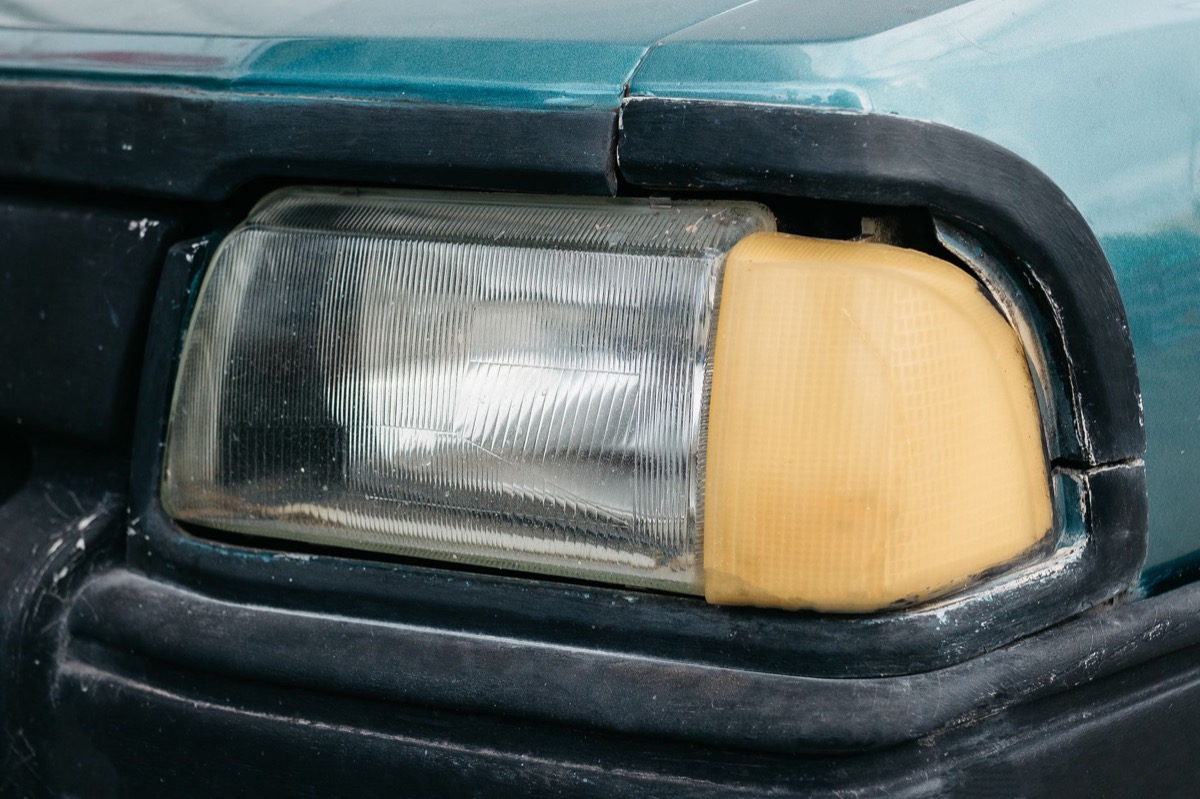
Peeling paint on a car, often referred to as paint blistering or bubbling, occurs when the paint begins to lift away from the underlying surface, creating noticeable bubbles or flakes. This cosmetic issue can detract from your car's appearance and, if left unaddressed, can lead to further damage. While frustrating, understanding the common causes can help in preventing and repairing this problem.
Paint blistering and bubbling are essentially the same phenomenon. The terms are often used interchangeably to describe paint that is separating from the surface it was applied to. Recognizing the root cause is key to an effective repair and preventing recurrence.
Common Causes of Paint Bubbling
Several factors can contribute to paint bubbling on a vehicle. One of the most frequent culprits is surface contamination. If the car's surface is not properly cleaned before painting, residual oil, wax, grease, or silicone can prevent the new paint from adhering correctly. Improper cleaning techniques or the use of incompatible cleaning agents can also lead to adhesion issues.
Environmental factors can also play a role. For instance, painting in extreme temperatures or high humidity can affect how the paint cures and adheres. Additionally, using incompatible additives in the paint or applying a new coat over a poorly prepared or incompatible previous finish can result in the paint lifting and bubbling.
Addressing Peeling Paint: A Step-by-Step Approach
Fixing peeling paint on your car involves a careful process to ensure a lasting repair. First, the affected areas must be thoroughly cleaned to remove any contaminants. This often involves sanding down the bubbled or peeling areas until you reach a smooth, stable surface. It's crucial to remove all loose paint and feather the edges of the surrounding paint to create a smooth transition.
Once the area is prepped, it needs to be primed and then repainted. The goal is to create a smooth, even finish that blends seamlessly with the rest of your car's paintwork. For larger areas or if you're unsure about the process, consulting with a professional detailer or body shop is recommended. If you're planning a DIY paint job, remember to calculate the amount of paint you'll need accurately using a free paint calculator available at / to avoid waste and ensure you have enough product.
Important Considerations for Older Vehicles
For vehicles manufactured before 1978, there's an added consideration: the potential presence of lead-based paint. If your older car has deteriorated paint, especially on surfaces that experience friction like doors or window sills, it could be a hazard. The U.S. Environmental Protection Agency (EPA) has regulations, such as the Lead Renovation, Repair and Painting (RRP) Rule, designed to protect against the dangers of lead dust created during renovation, repair, or painting projects in pre-1978 buildings. While this rule primarily targets buildings, it highlights the importance of being aware of lead paint hazards, especially when dealing with older painted surfaces. If you suspect lead paint, it's essential to take appropriate safety precautions or seek professional assistance.
Properly handling lead paint requires specific safety measures to prevent the creation and spread of hazardous dust. If you are undertaking any work on a pre-1978 vehicle and are concerned about lead paint, it is highly advisable to consult with professionals who are trained in lead-safe work practices.
Key takeaways
- Peeling paint on a car, also known as blistering or bubbling, is caused by poor adhesion due to surface contamination, improper cleaning, or environmental factors.
- Repairing peeling paint involves sanding down the affected area, priming, and repainting to achieve a smooth finish.
- For vehicles manufactured before 1978, be aware of the potential presence of lead-based paint and take necessary safety precautions.
- Use a free paint calculator at / to accurately estimate the amount of paint needed for your repair project.
Related tools
Estimate materials with our free paint calculator on PaintMath.